
How the day runs
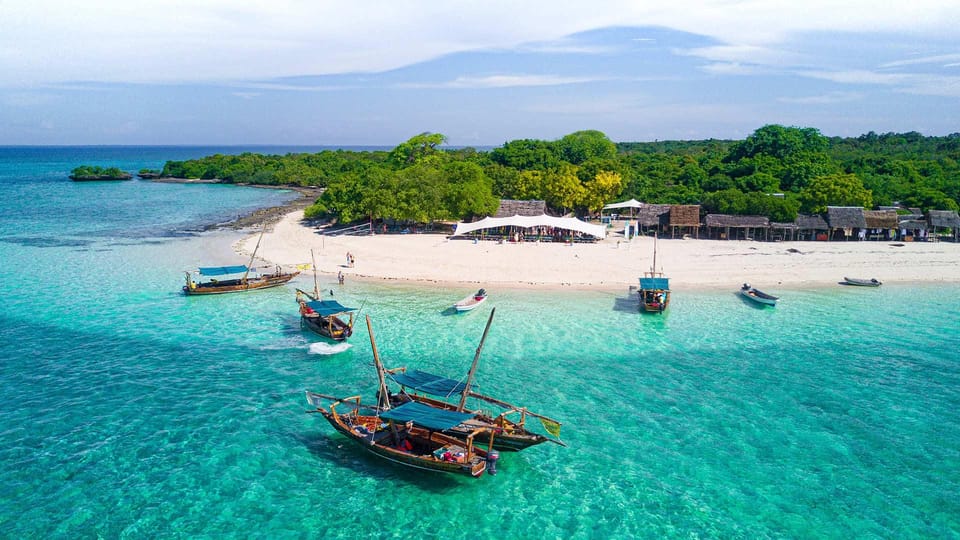
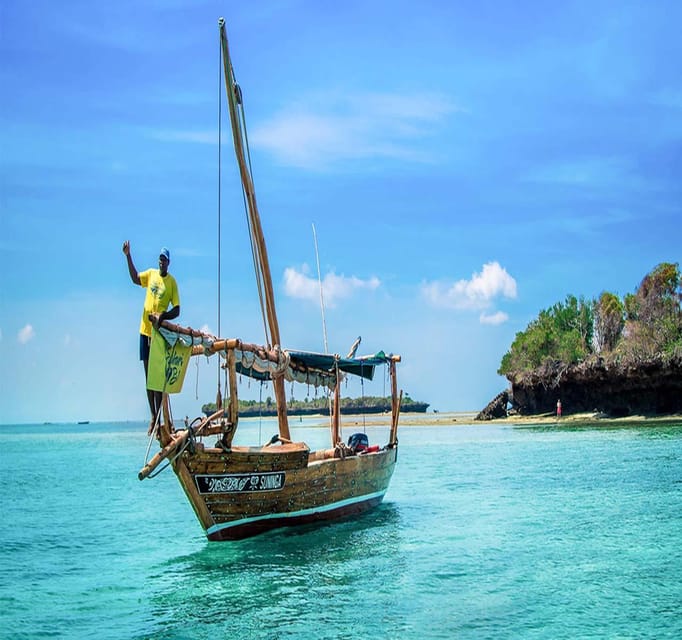
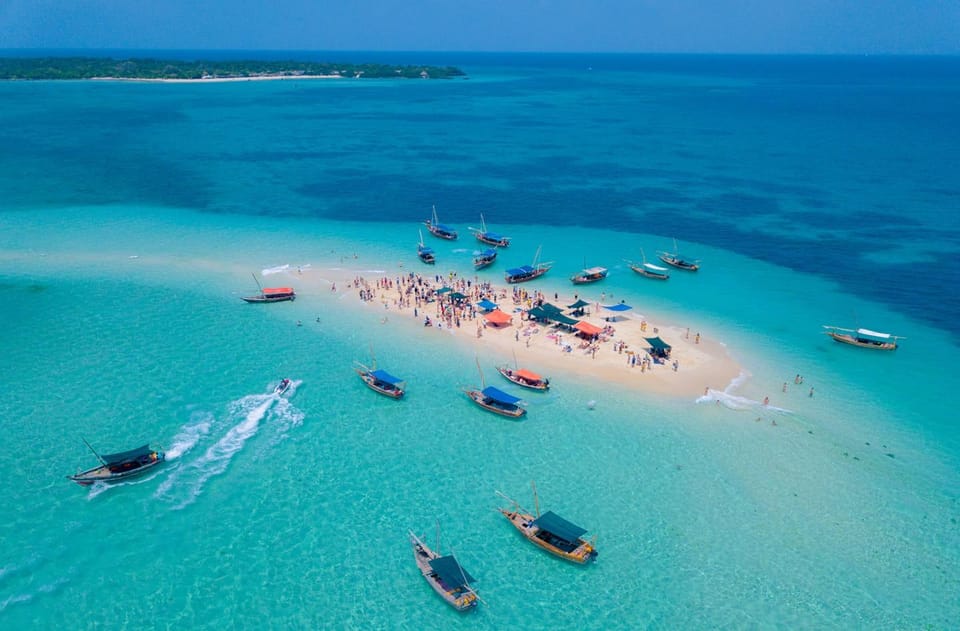
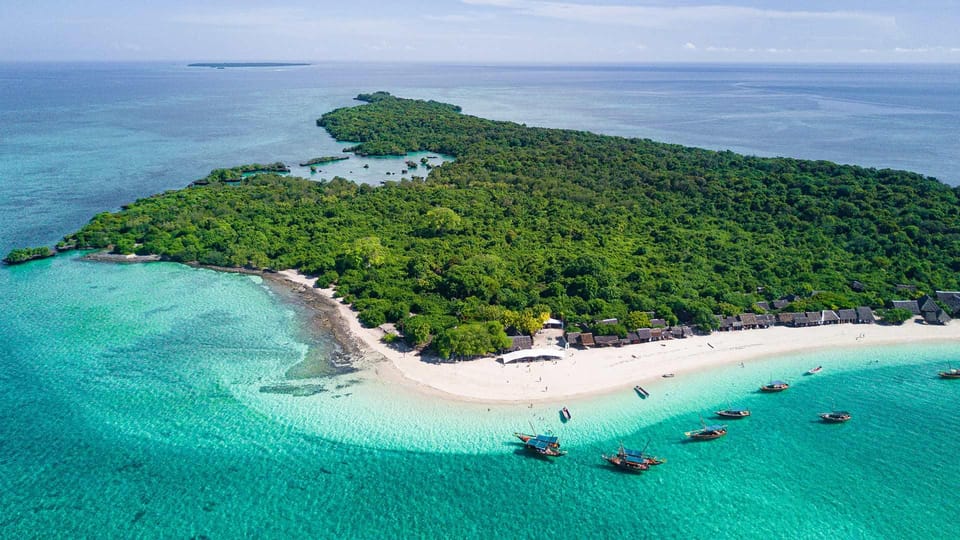
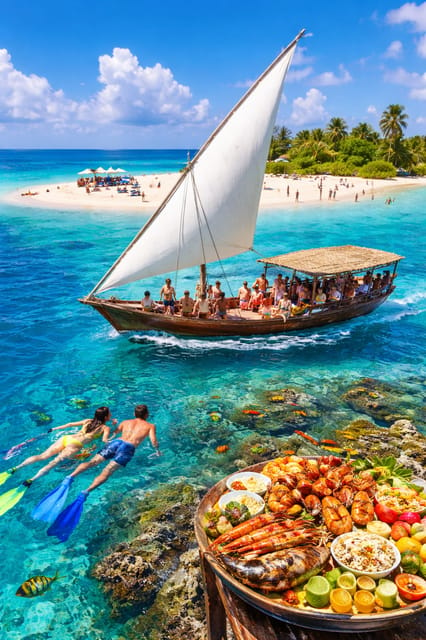
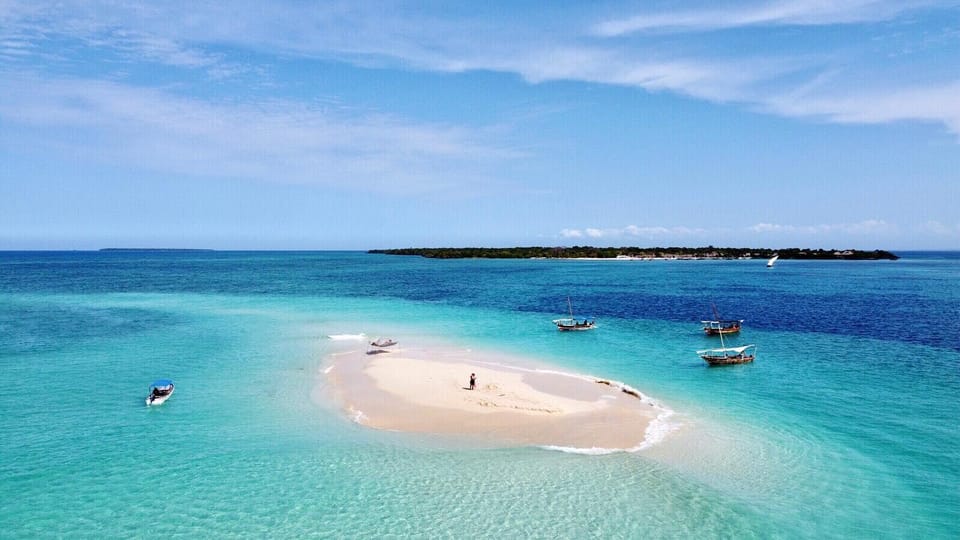
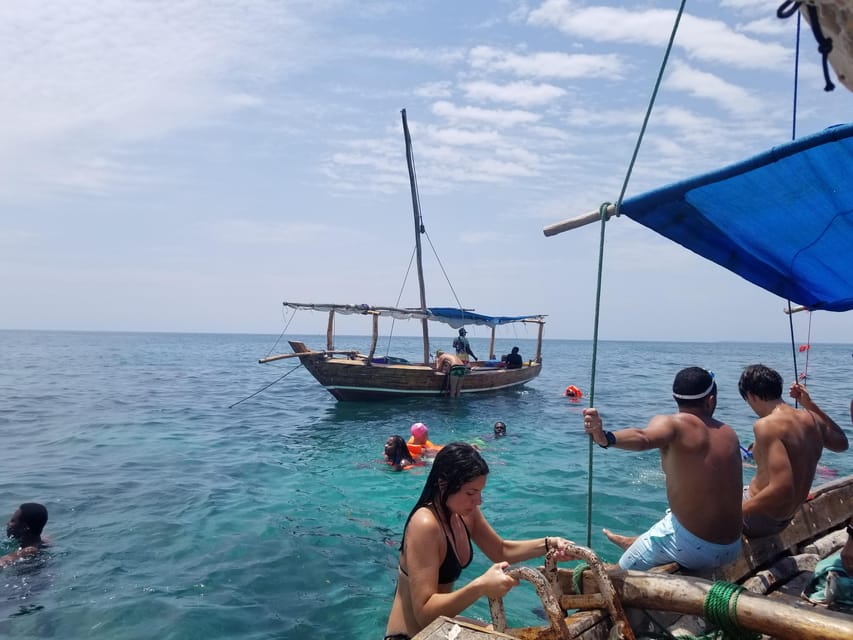
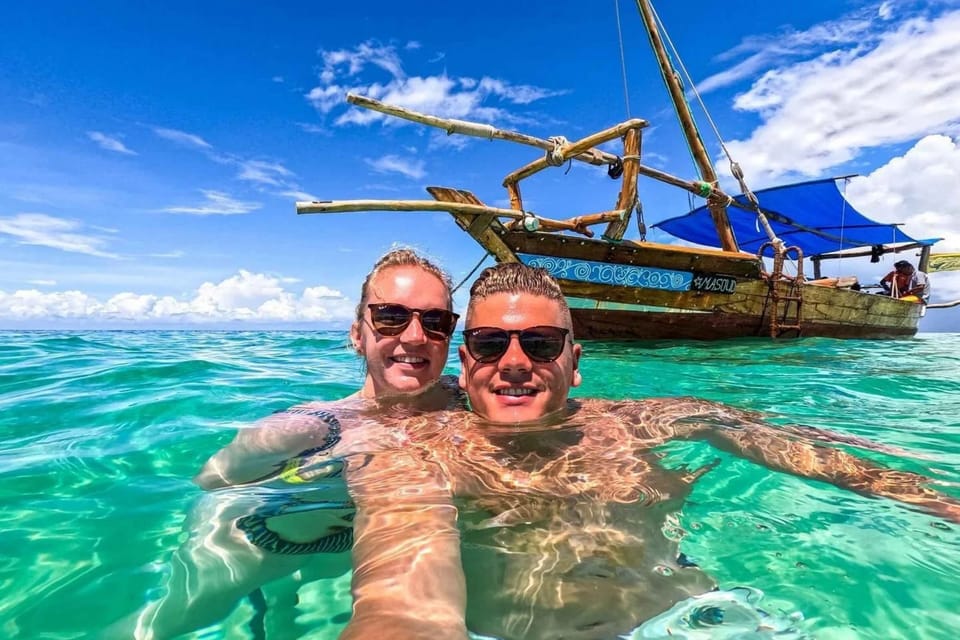
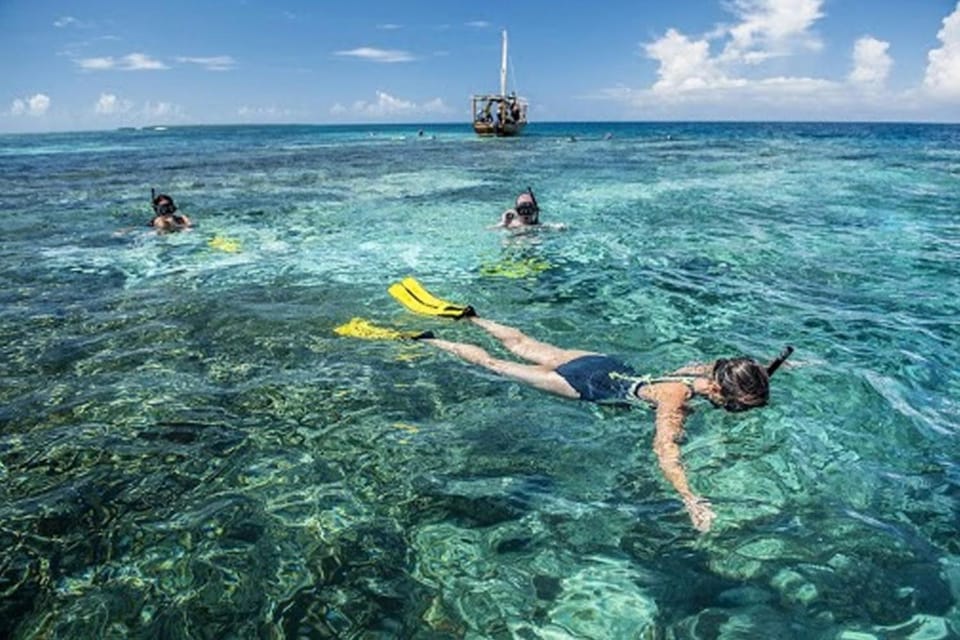
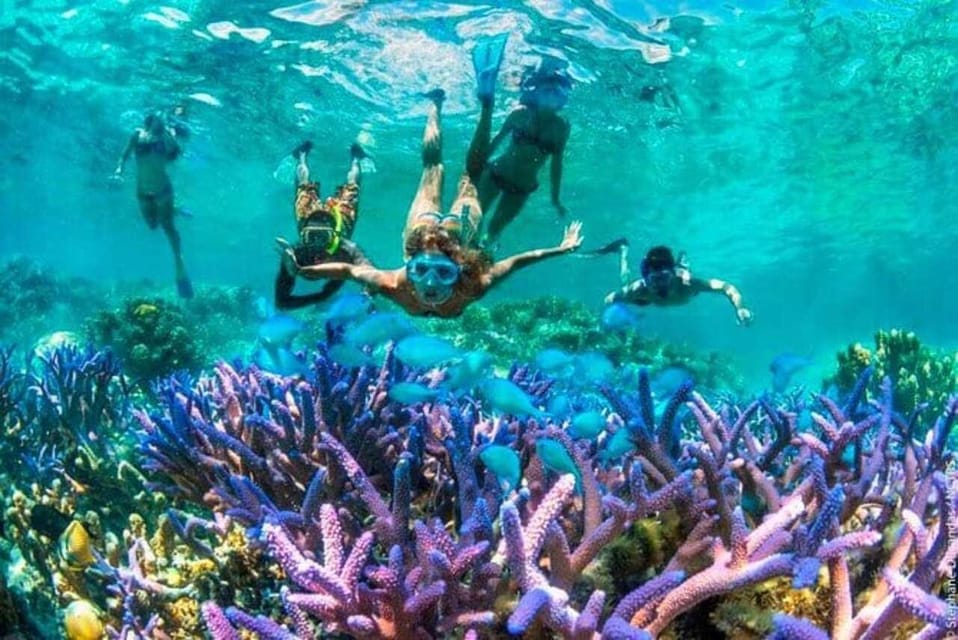
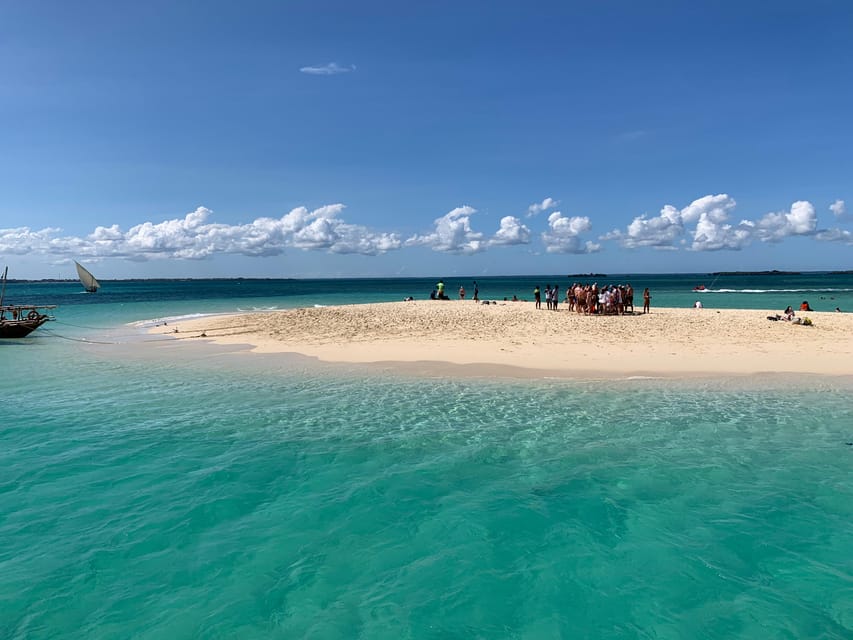
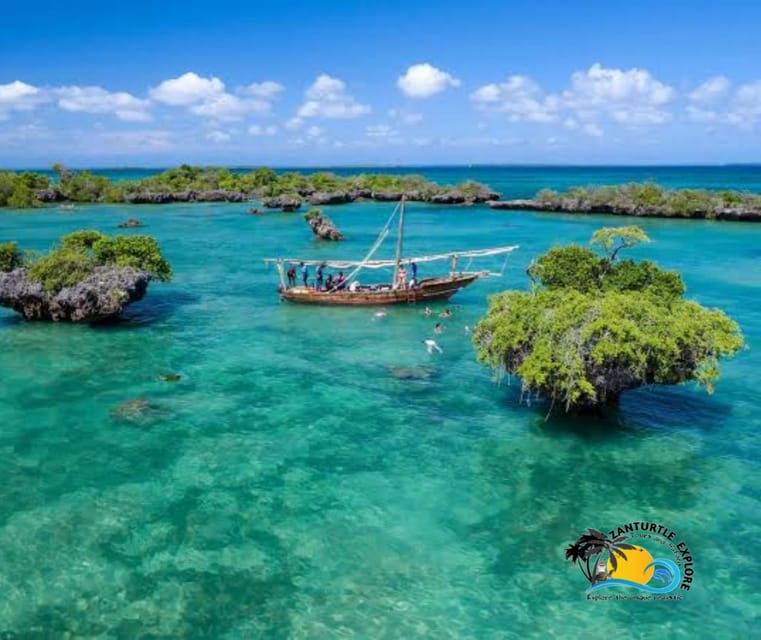
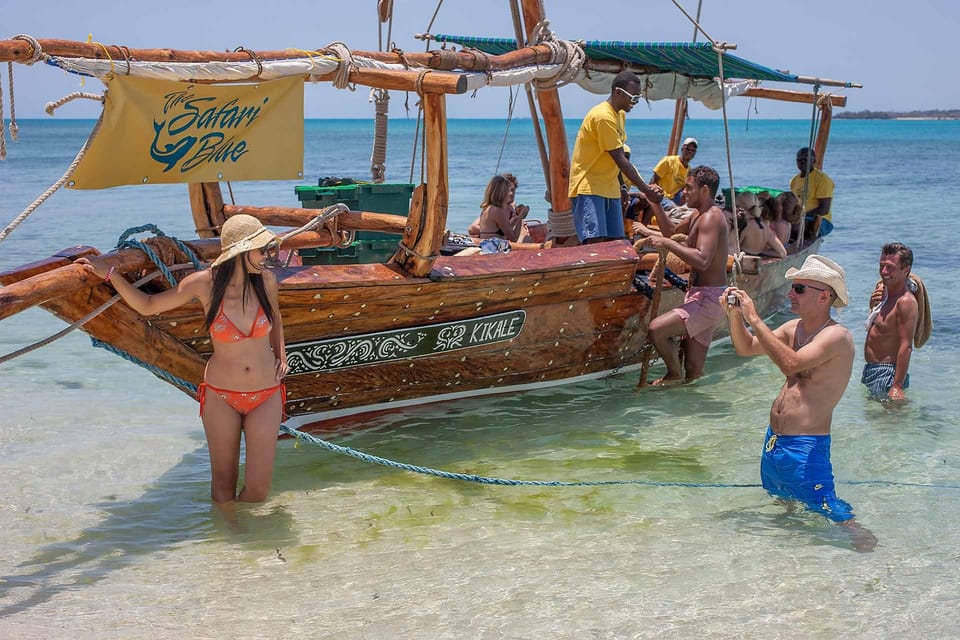
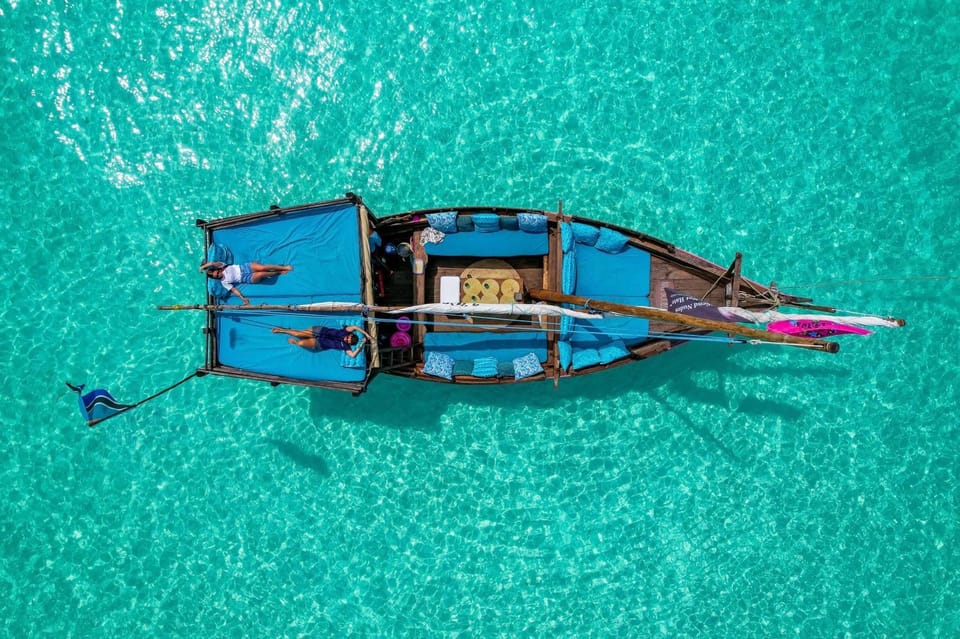
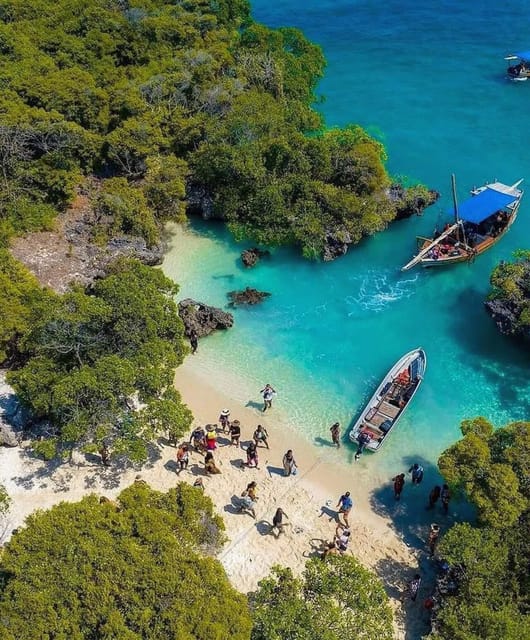
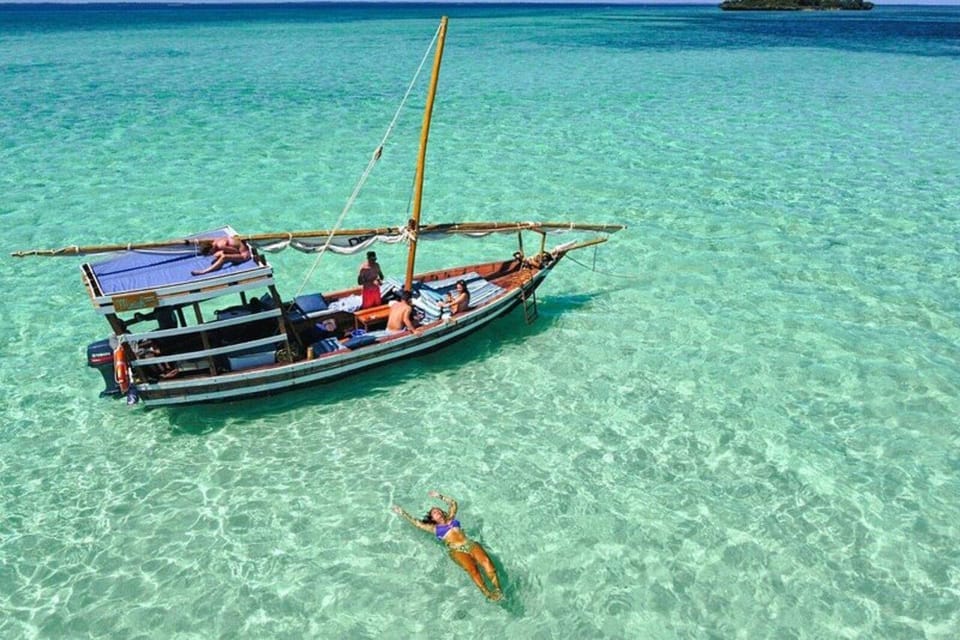
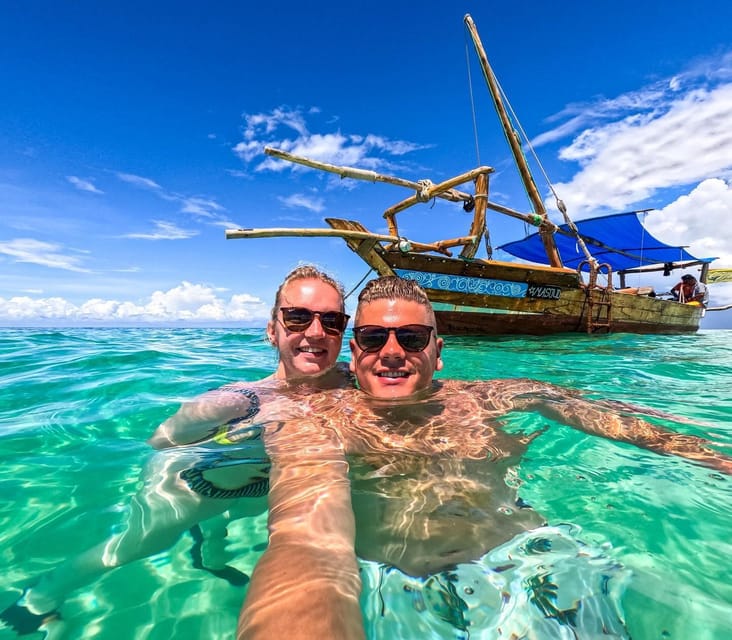
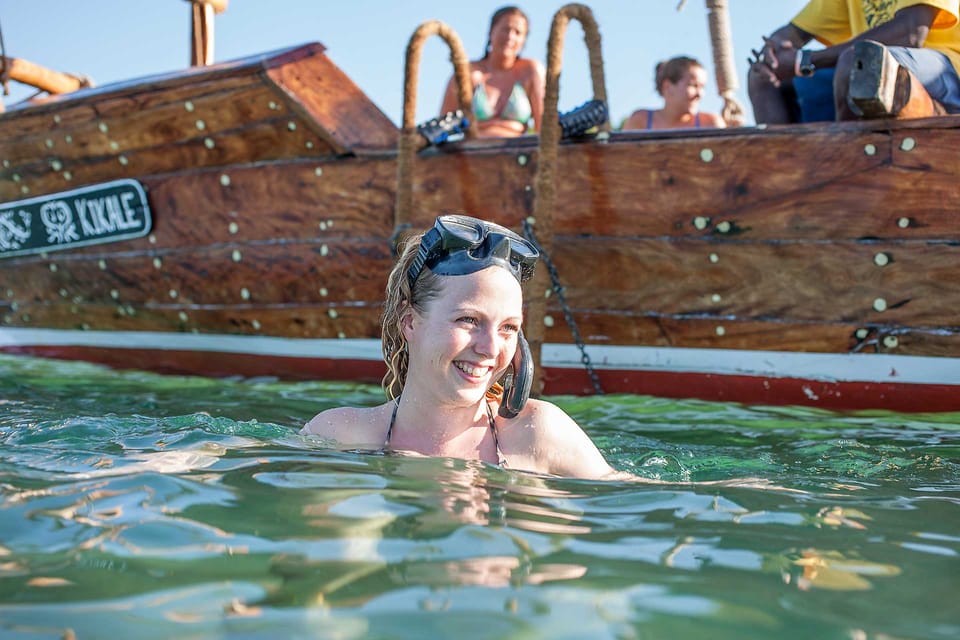
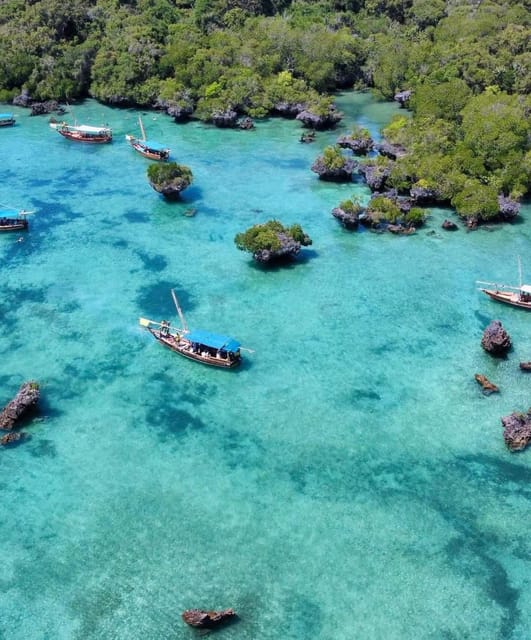
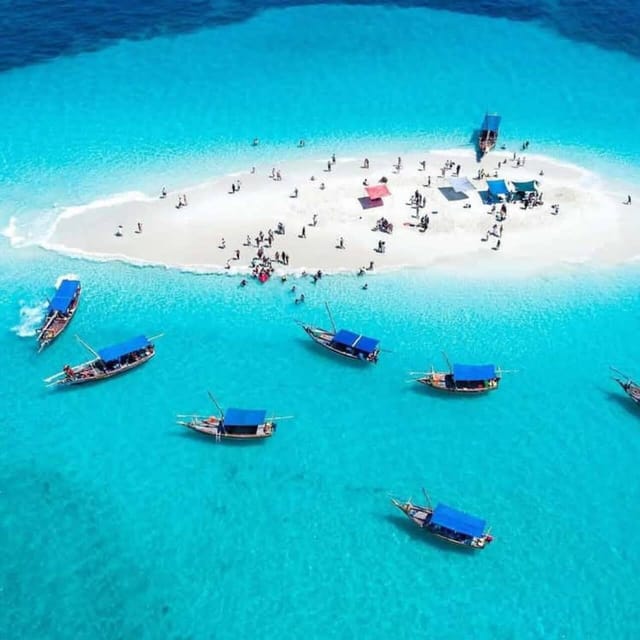
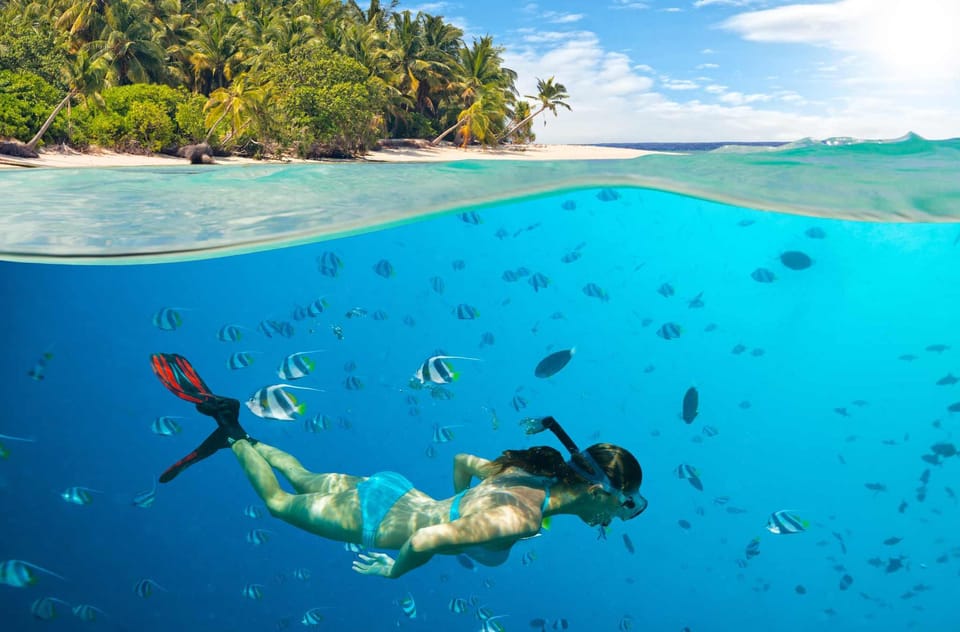
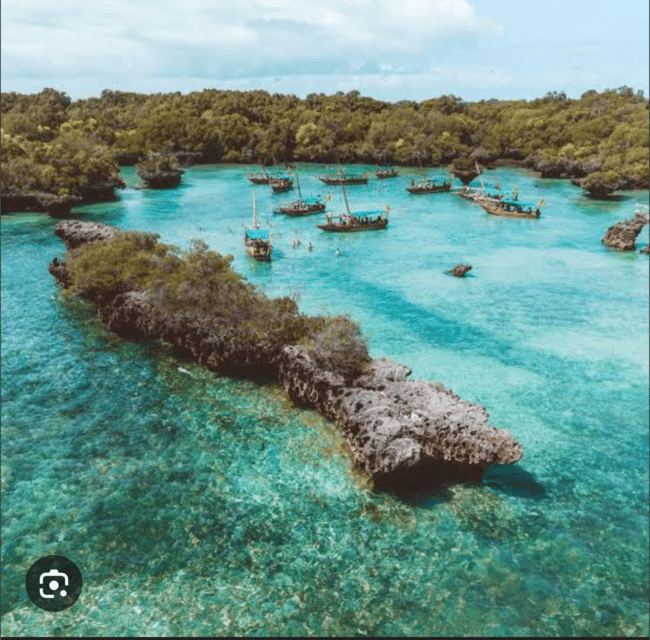
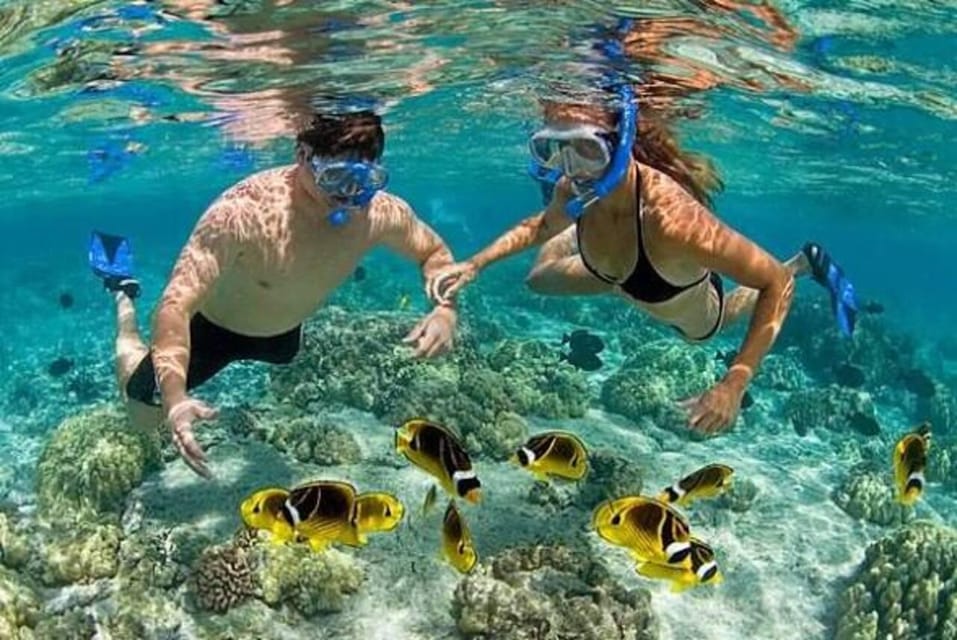
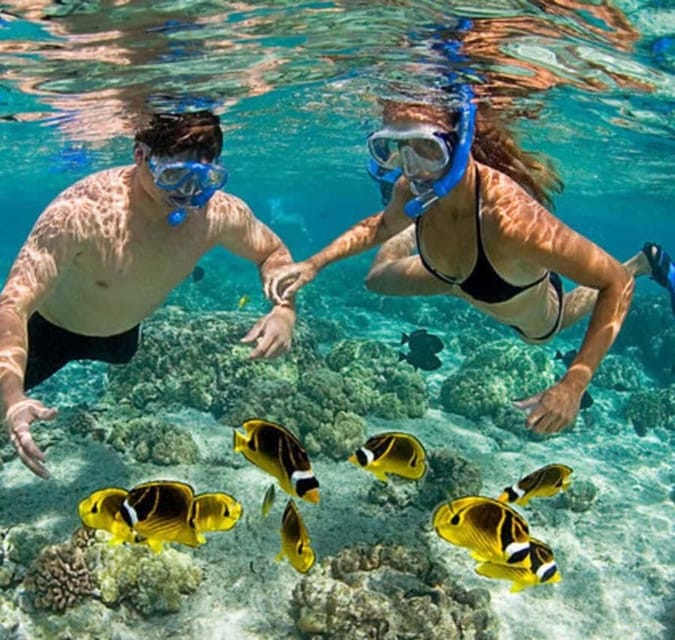
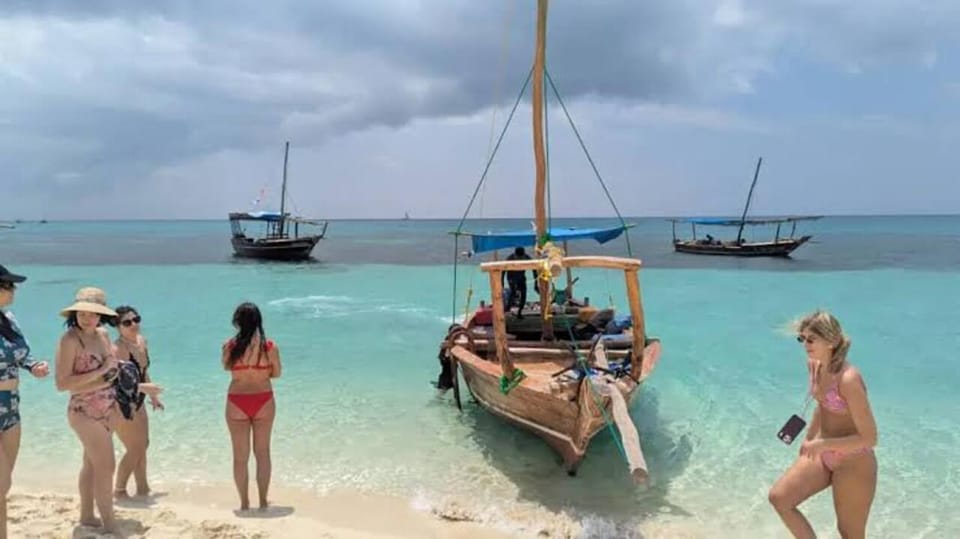
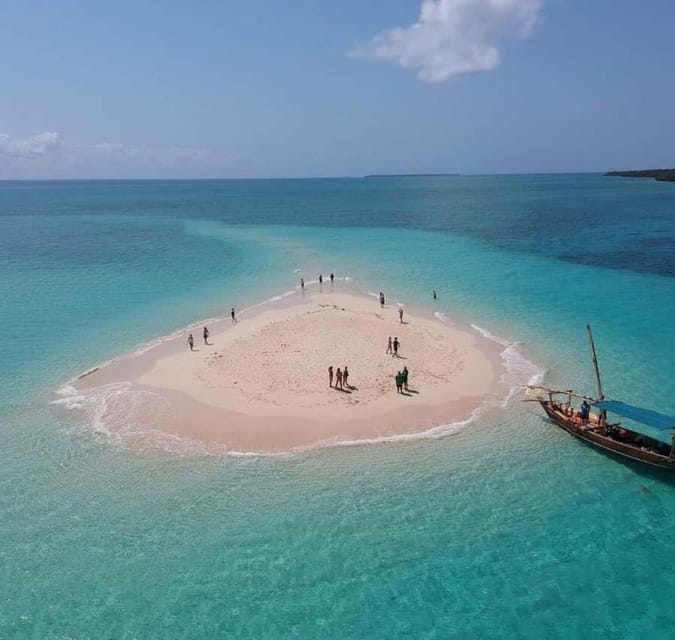
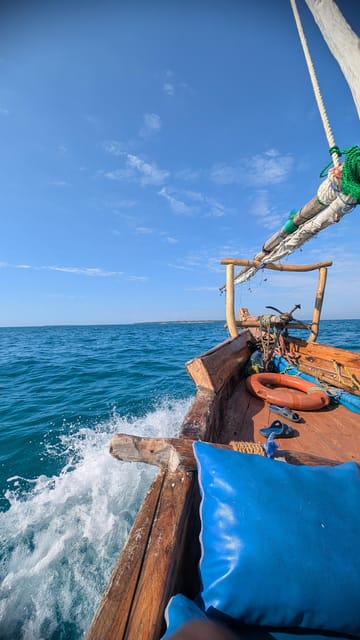
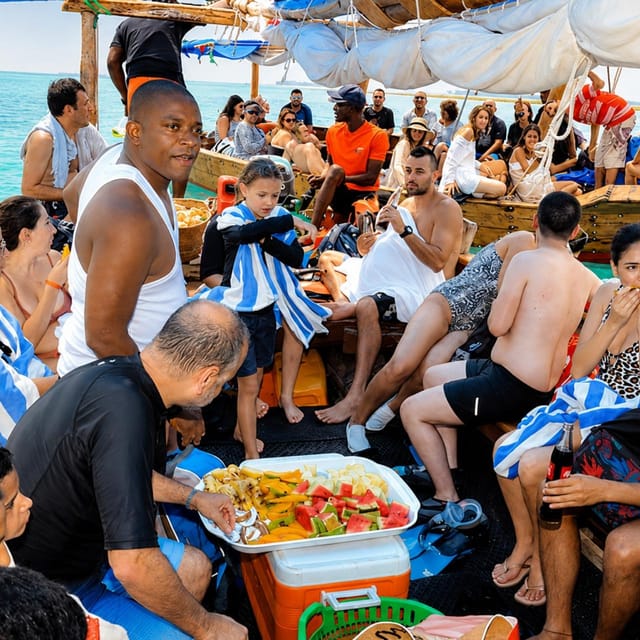
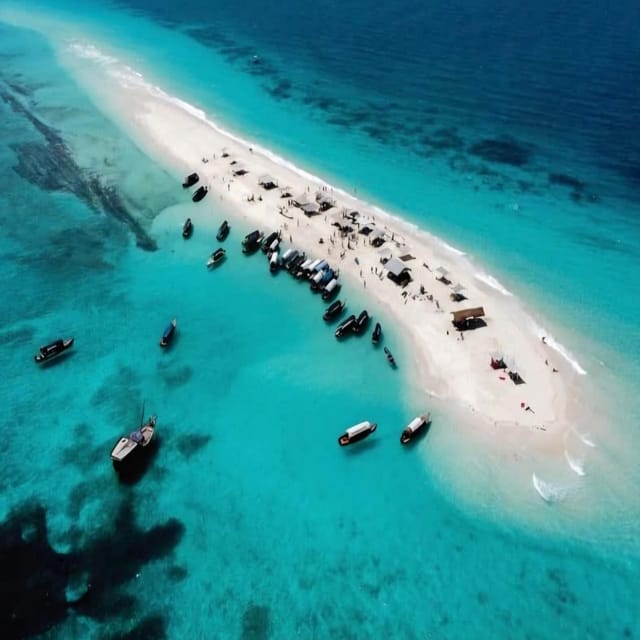
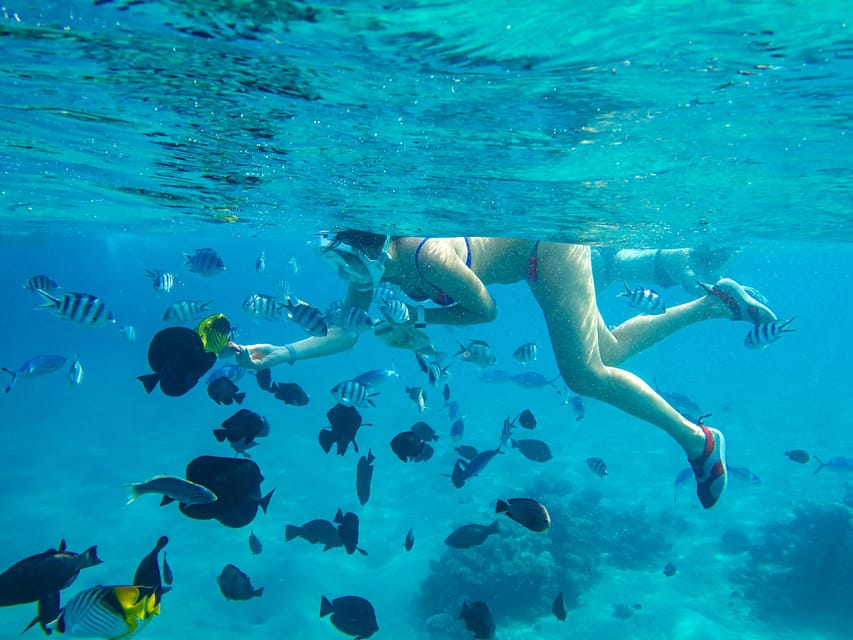
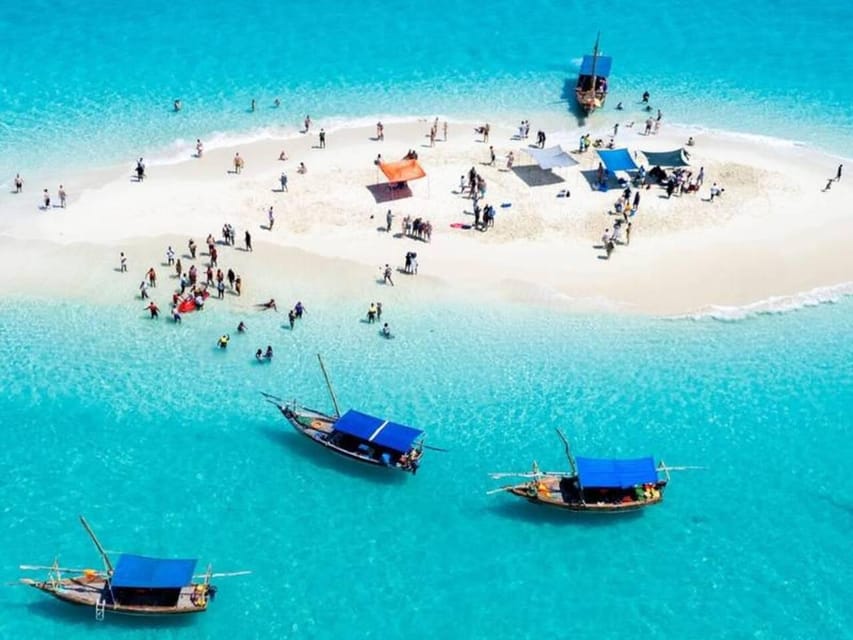
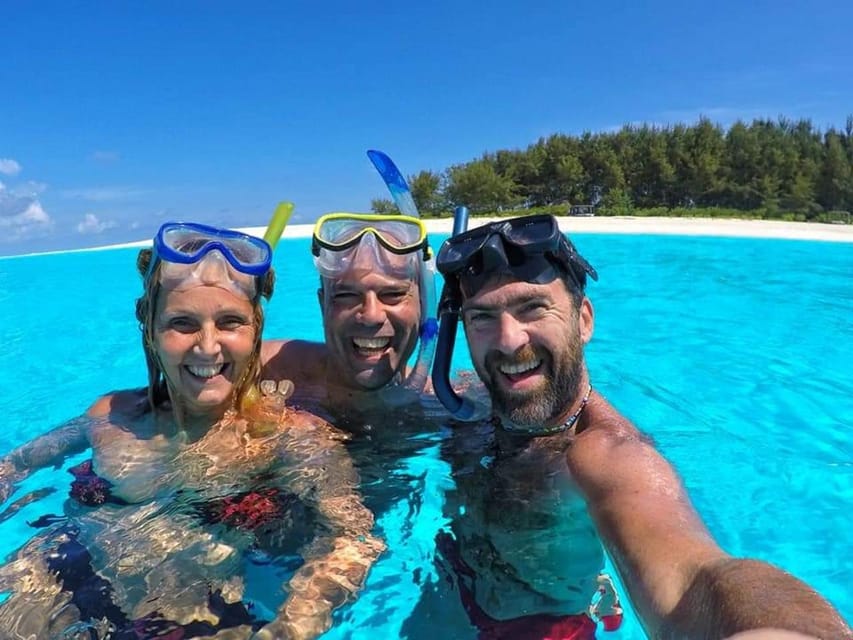
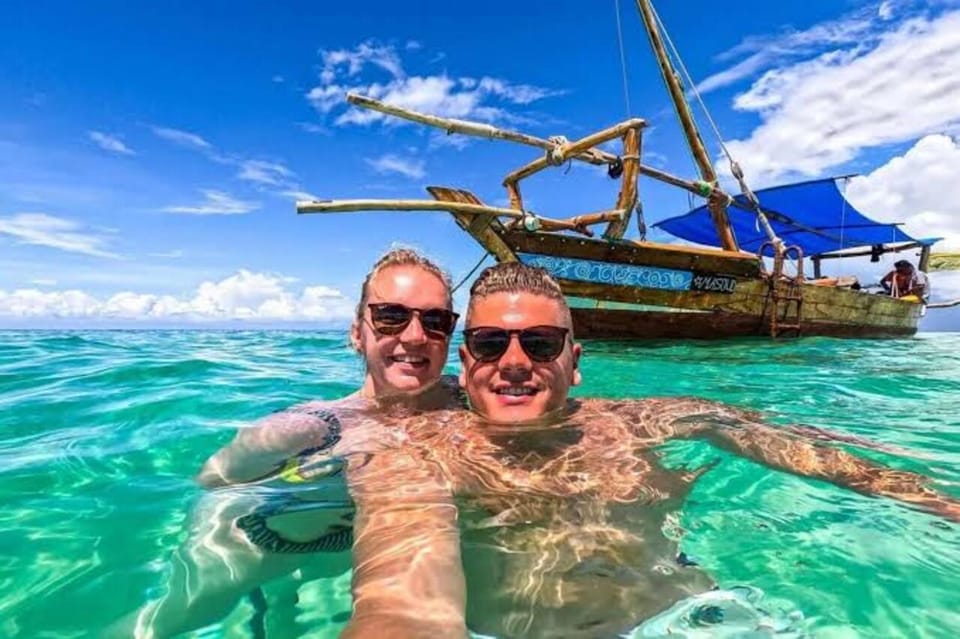
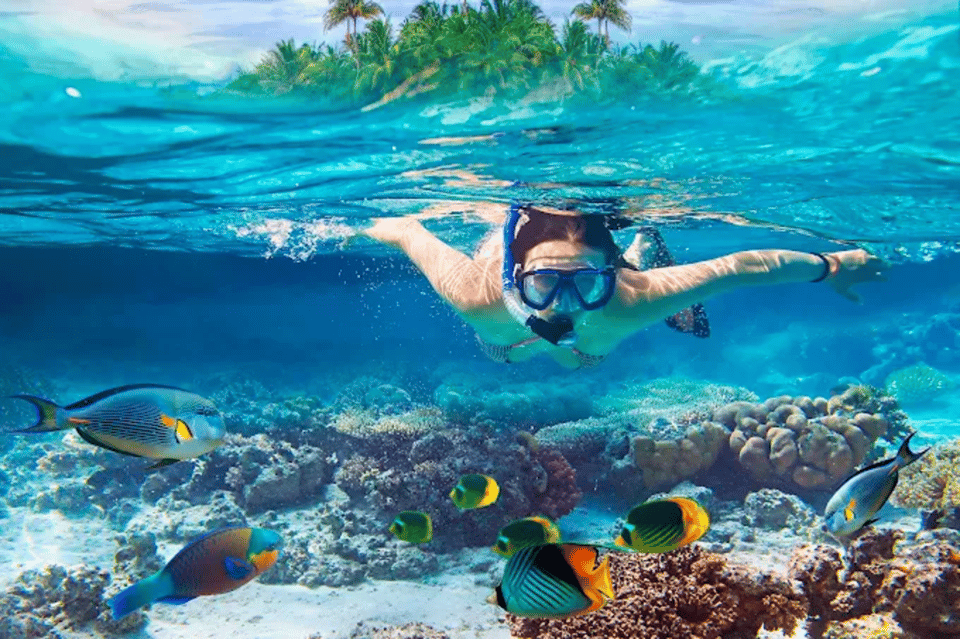
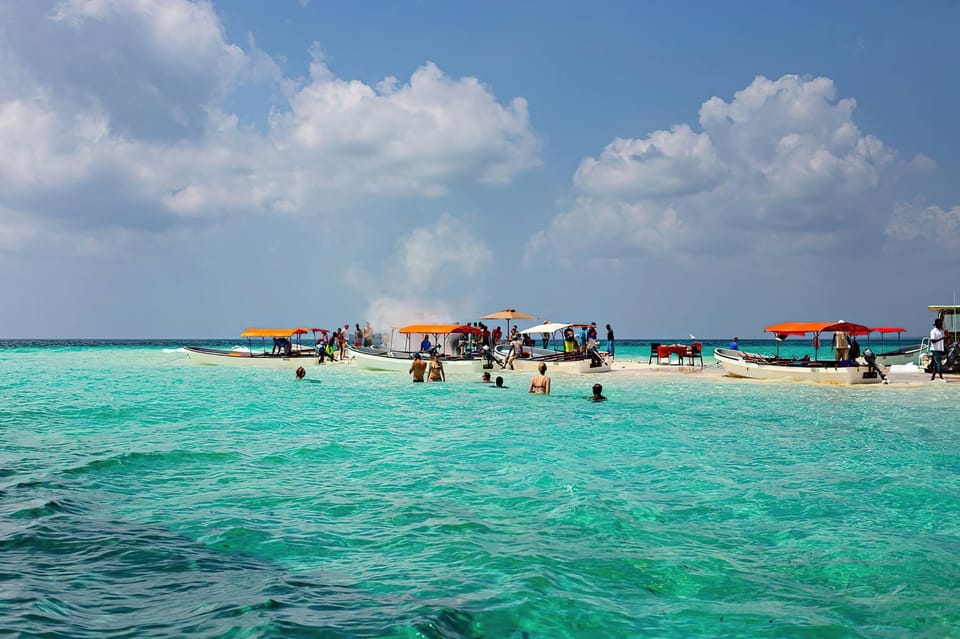
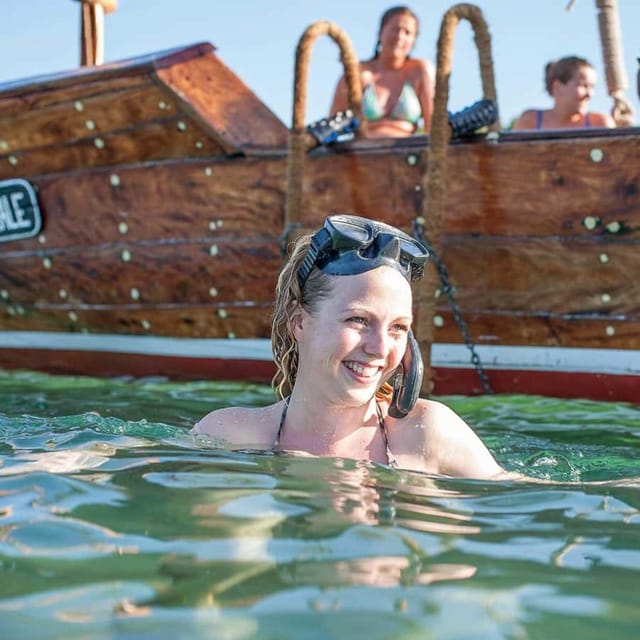
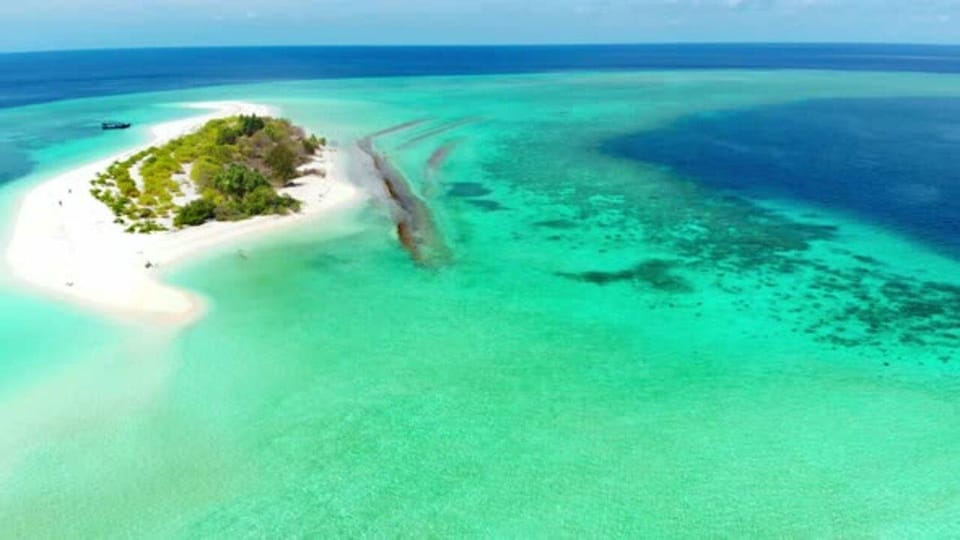
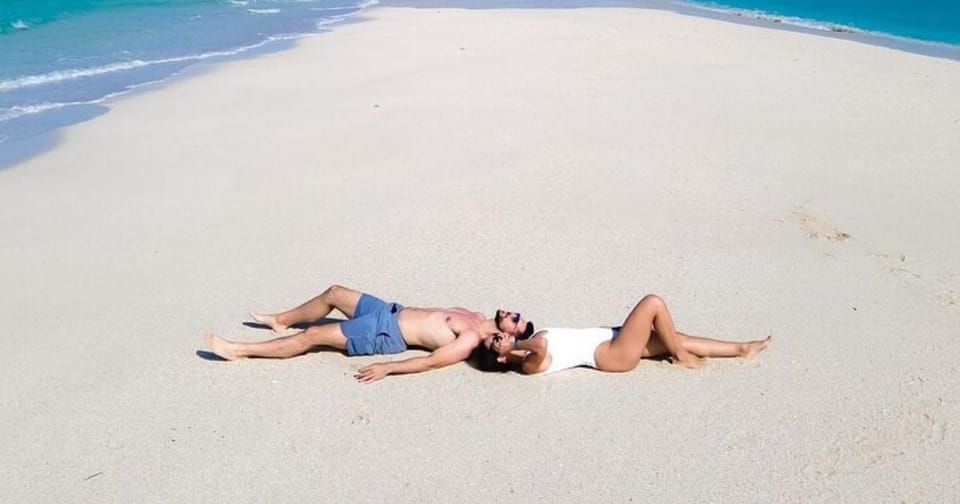
Every Safari Blue-style trip starts at Fumba, a fishing village on the south-west coast, and spends the day in the Menai Bay Conservation Area. The wooden dhow takes you first to a sandbank, where the crew serves fruit and you swim from the sand. Next comes a guided snorkelling stop on a reef. Around midday the boat lands on Kwale Island for a seafood barbecue, usually lobster, calamari, prawns and fish with coconut rice. After lunch you walk to an old baobab tree and swim in a lagoon inside the mangroves.
The sea part is about 7 hours. Add the road transfer: Fumba is far from the north and east coasts, which is why listings from Nungwi, Kendwa, Paje or Jambiani run 8.5–9 hours door to door. From Stone Town the drive is much shorter.
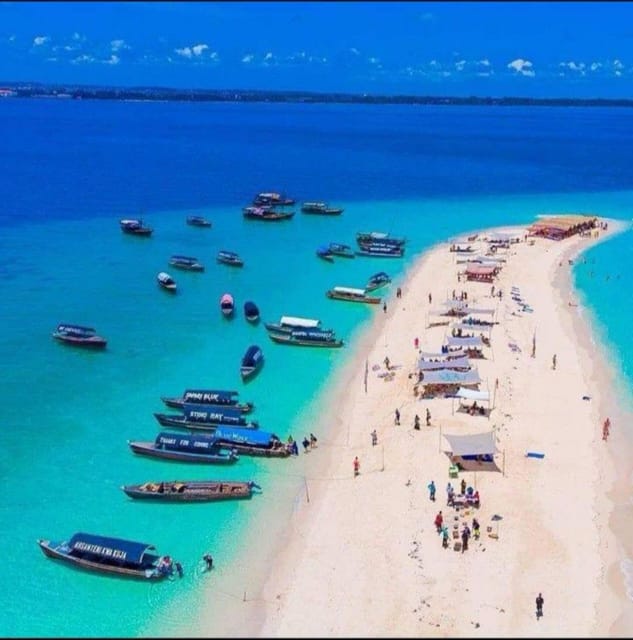
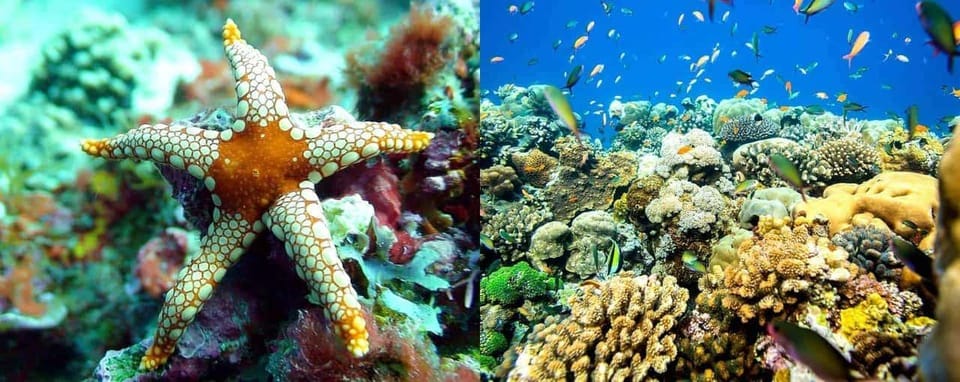
Expect a social, unhurried day rather than an active one. On shared boats you sit with up to about 30 people, the snorkelling stop is busy with other dhows, and part of the time is beach time. If coral and fish are your main reason to go, look at Mnemba as well.
The original company and the tours that use the name
Safari Blue is the trading name of a Fumba company that started in 1995. On its own site it calls the name its registered trade name and says it is the only operator licensed to use it. On booking platforms you will find dozens of "Safari Blue" and "Blue Safari" listings from other operators. Most follow the same route through Menai Bay, with lunch on Kwale Island. They can be good trips, but they are not the original company.
If that matters to you, book the original through its own channels. If you mainly want the experience, compare platform listings by what they include and how recent and frequent the reviews are. Our page on Safari Blue: the original vs the copies goes through the differences in detail.
Shared, private or with pickup
| Option | Who it suits | What to check |
|---|---|---|
| Shared dhow, meet at Fumba | Budget travellers staying near Stone Town or Fumba | How you get to Fumba; whether the Menai Bay fee is included |
| Shared dhow with hotel pickup | Anyone staying on the north or east coast | Pickup time (often before 08:30) and total length of the day |
| Private dhow | Families, couples, groups of friends | Whether lunch is private or at the shared Kwale restaurant |
| Half-day versions | Short stays | Which stops are dropped |
Private trips follow much the same route, but the time at each stop is yours to decide, so you can snorkel longer instead of waiting on the sandbank.
Tides, weather and what to bring
Tides decide the order of the day. The lagoon swim needs enough water, and the sandbank shrinks at high tide, so the crew moves stops around. At low tide you may wade to and from the dhow, so wear shorts or swimwear and water shoes.
The Tanzania Meteorological Authority names two rainy seasons for Zanzibar: the long rains from March to May and the short rains from October to December. Boats run in both, but wind and rain can cut snorkelling time or keep the dhow under motor instead of sail.
Bring cash for drinks, tips and the stalls on Kwale Island. Leave starfish and shells in the water. If you plan the Prison Island and Nakupenda trip too, do them on different days: both are long sea days with a similar sandbank lunch.